
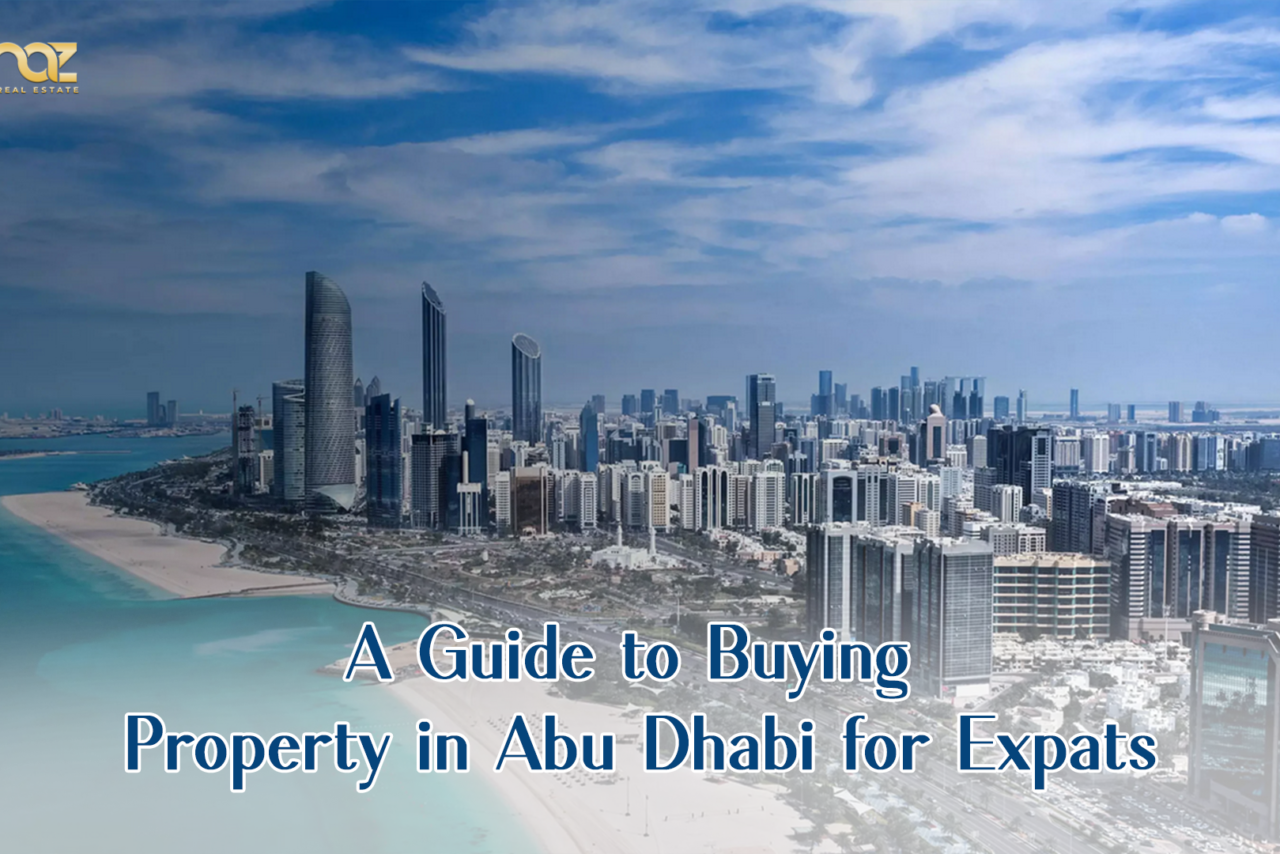
Abu Dhabi, the capital of the United Arab Emirates, is a thriving metropolis that blends modern luxury with rich cultural heritage. For expats, buying property here is not just a home investment—it’s an opportunity to secure a foothold in one of the region’s most dynamic real estate markets. However, the process can be complex for foreigners. This guide provides a detailed roadmap to help expats navigate property buying in Abu Dhabi confidently.
1. Understand the Abu Dhabi Real Estate Market
Abu Dhabi’s real estate market is diverse, offering everything from luxury waterfront villas to stylish apartments in high-rise towers. Before investing, it’s essential to:
- Research current market trends: Prices fluctuate depending on location, demand, and property type.
- Explore different areas: Popular expat-friendly neighborhoods include Al Reem Island, Saadiyat Island, Yas Island, and Khalifa City.
- Use reliable property platforms: Websites like Property Finder, Bayut, and JustProperty provide listings, price guides, and insights into upcoming developments.
Being informed about trends and property valuations helps you make strategic decisions.
2. Know the Legal Framework for Expats
Expats can purchase property only in designated areas, typically:
- Freehold areas – Full ownership rights for foreigners.
- Leasehold areas – Long-term leasing (usually 99 years) rather than full ownership.
Key tips:
- Consult a real estate lawyer to understand ownership rights and ensure compliance with Abu Dhabi’s laws.
- Check the Abu Dhabi Department of Municipalities and Transport website for updated property regulations.
3. Determine Your Budget
Buying a property is more than the purchase price. Consider:
- Purchase price – The primary cost of the property.
- Registration fees – Typically 2–3% of the property price.
- Real estate agent fees – Usually 2% of the property value.
- Maintenance costs – Monthly or annual fees for service and community upkeep.
Keep a buffer of 5–10% for unexpected costs. Luxury and waterfront properties can be significantly higher, while apartments in emerging areas may offer more affordable options.
4. Hire a Knowledgeable Real Estate Agent
A reputable local agent can:
- Help identify properties that match your preferences and budget.
- Guide you through the legal and documentation process.
- Negotiate on your behalf to secure the best deal.
Tip: Choose agents experienced in working with expats to simplify communication and paperwork.
5. Schedule Property Viewings
Once you shortlist properties:
- Visit each property to assess its condition.
- Evaluate amenities, transportation links, and neighborhood facilities.
- Compare properties objectively by listing pros and cons.
6. Conduct Thorough Due Diligence
Before making an offer:
- Verify ownership – Ensure the seller is the legitimate owner.
- Check for debts or liens – Confirm there are no outstanding mortgages or legal disputes.
- Inspect the property – Hire a professional inspector to assess structural and maintenance issues.
This step prevents future legal complications and financial losses.
7. Make an Offer
If you find the right property:
- Submit a formal offer through your agent.
- Be prepared for counteroffers and negotiate payment terms.
8. Finalize the Purchase Agreement
Once the seller accepts your offer:
- Sign a purchase agreement detailing payment schedules, completion dates, and any conditions.
- Ensure that all agreements are legally documented.
9. Complete the Payment Process
- Deposit: Usually 10% of the property price, paid when signing the agreement.
- Remaining balance: Paid upon transfer of ownership.
- Keep all payment receipts safely, as they are required for legal documentation.
10. Transfer Ownership
The final step involves:
- Visiting the Abu Dhabi Department of Municipalities and Transport with the seller and your agent.
- Submit identification, purchase agreement, and payment receipts.
- Receiving the title deed confirms your legal ownership.
11. Settling In
After purchasing your property:
- Explore your neighborhood, including schools, hospitals, and shopping areas.
- Join expat communities online for networking and local tips.
- Understand community rules and maintenance schedules to ensure smooth living.
Key Takeaways
Buying property in Abu Dhabi as an expat is a rewarding investment if approached with careful planning and professional guidance. By:
- Researching the market,
- Understanding legal frameworks,
- Engaging a trusted real estate agent, and
- Following due diligence and documentation steps,
you can secure a property that meets your lifestyle and investment goals.
Abu Dhabi offers a unique blend of luxury living, modern infrastructure, and cultural richness—making it an ideal choice for expats looking to invest in real estate.
If you want, I can also create a version optimized for SEO with keywords, headings, meta description, and internal links for mazuae.com to drive more traffic and engagement.




Join The Discussion